Scam warning
Dutch Tea Project — The Tea Farm That Never Repaid My Trust
By Patrick T · 19 Oct 2026 · 1 min read
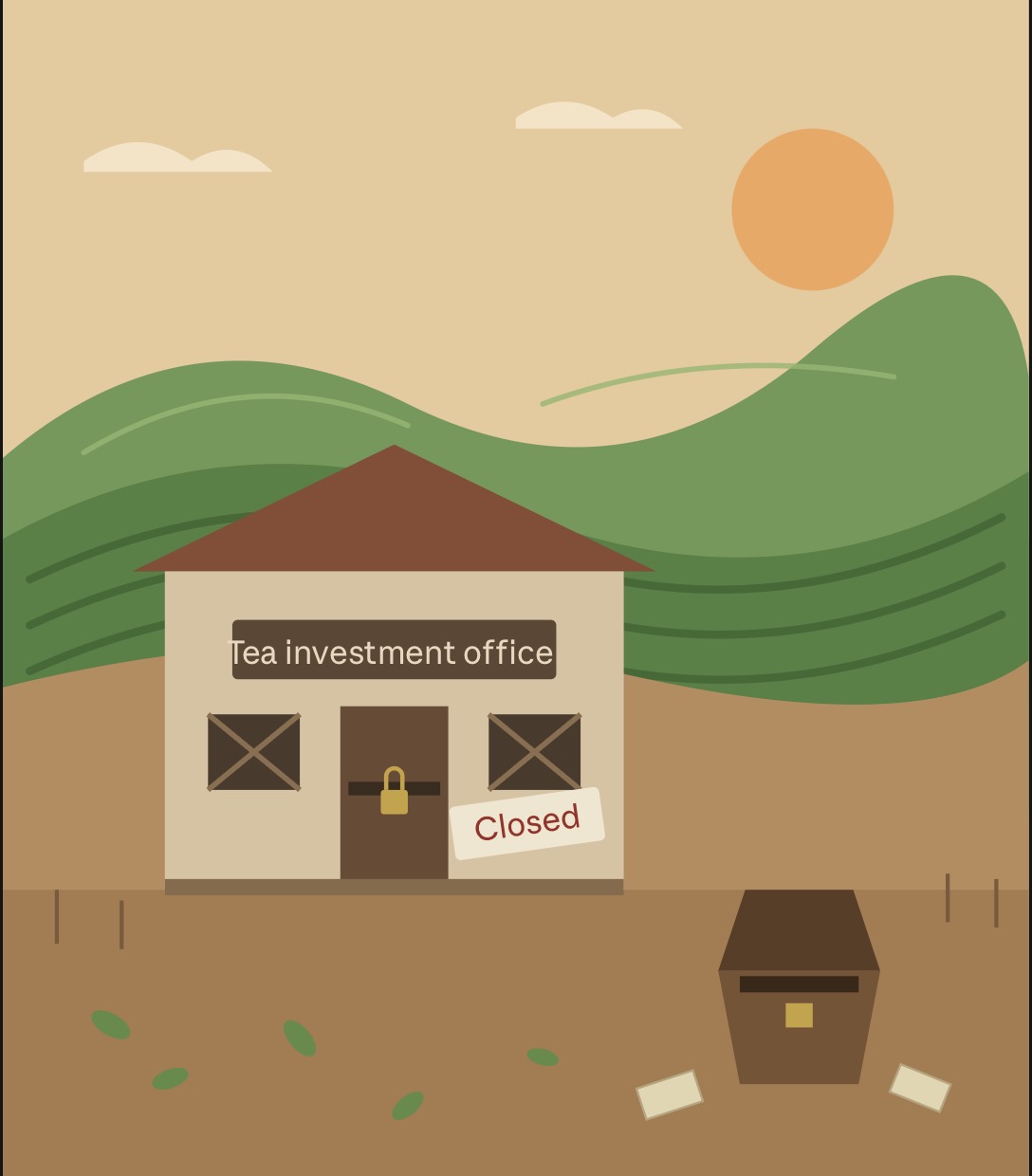
I thought investing in tea meant investing in something real.
In 2006, I was living in western Uganda and earning a modest income. Agriculture was familiar to me, and I believed that a business connected to tea farming offered a more understandable investment than complicated financial products.
When I heard about the Dutch Tea Project associated with Dutch International, I became interested. The opportunity appeared to connect investors with an industry that already had a market and a long history in the region.
I committed my savings gradually, believing that the project would eventually reward my patience. I encouraged myself by thinking that tea was a real commodity and that the business therefore had a solid foundation.
Between 2003 and 2009, the project attracted investors, including tea farmers, according to the background reports. Eventually, complaints reached the authorities, and reports indicated that the directors had disappeared.
For people who had committed their savings, the central question became simple: where had the money gone?
Looking back, I understand that I had confused the legitimacy of an industry with the legitimacy of a particular investment scheme. A real agricultural market does not guarantee that a company will manage money honestly or generate the returns it promises.
To fellow investors, investigate the actual business rather than the industry it claims to represent. Ask to see verifiable operations, financial records, contracts, and evidence of how your money will be used.
Lesson learnt: A genuine product can be used to make an investment proposal sound credible. Verify the people and financial arrangements behind it before investing.
Don't fall into the same trap. See who can guide you.
Where to go from here
Where to go next on Pearlbridge.
Join the community to save, like and comment on stories and clips. Join Community